What If You Can is a mindset shifting experience that helps students take ownership of how they see themselves, how they show up, and how they engage with their school environment. Instead of motivating students with empty encouragement, this talk challenges the internal labels and mental narratives that quietly shape student behavior, effort, and identity.
Students are taught that most limits in their lives are not created by ability, background, or circumstance but by the beliefs they accept about who they are and what they are capable of. Through real stories and practical reflection, students begin to recognize how labels like troublemaker, not smart, lazy, quiet, bad kid, or not enough influence their choices and keep them stuck in cycles of disengagement and self doubt.
The core message is simple but disruptive. Before students can buy into school expectations, rules, or culture, they must first buy into themselves. When students believe they are capable, valuable, and responsible for their growth, their behavior naturally follows. Effort increases. Resistance decreases. Ownership replaces excuses.
This talk teaches students how mindset directly impacts behavior, discipline, and relationships. They learn that thoughts shape emotions, emotions influence decisions, and decisions create outcomes. By helping students identify negative self talk and challenge false narratives, the talk equips them with tools to mentally reset when they feel overwhelmed, discouraged, or tempted to disengage.
What If You Can does not ignore struggle. It acknowledges pressure, fear, failure, and frustration while reframing them as part of growth rather than proof of inadequacy. Students learn that confidence is built through action, not perfection, and that resilience is developed by responding differently to setbacks instead of avoiding them.
As students shift how they view themselves, the culture of the school begins to shift as well. Classrooms experience improved engagement because students feel more responsible for their effort. Discipline issues decrease because students understand that their choices matter. Teachers feel supported because students are more receptive, accountable, and motivated from within rather than externally controlled.
This talk aligns students with school culture not through compliance, but through ownership. When students believe they can grow, contribute, and succeed, they naturally buy into expectations, community values, and academic purpose. The result is a school environment where students feel seen, empowered, and challenged to rise to who they are becoming.
What If You Can changes school culture by changing the conversation students have with themselves. When that conversation changes, everything else follows.

ELEMENTARY SCHOOLS
What If You Can? helps elementary students believe they are capable, brave, and valuable even when things feel hard. Through simple stories, movement, and relatable examples, students learn that trying matters more than being perfect. They discover that mistakes don’t mean failure — they mean learning — and that their words, choices, and attitudes shape who they become.
The focus is on:
– believing in yourself
– using kind words and actions
– not giving up when something feels difficult
The message is simple and memorable:
“You might not be able to do everything yet… but what if you can?”
Elementary school is where school culture, behavior patterns, and self-belief are first formed, which is why early intervention matters. Research shows that students who receive social-emotional learning support in elementary school demonstrate improved classroom behavior, stronger relationships with peers and teachers, and increased academic performance. Large-scale studies have found that elementary students exposed to SEL-based programming show an average 11 percentile point gain in academic achievement, along with significant reductions in behavior issues and emotional distress. Schools also report higher student engagement and more positive school climate when students are taught how to manage emotions, build confidence, and believe in their ability to grow. Bringing in a speaker like Michael K. Gainey who reinforces these skills through story, connection, and age-appropriate language helps students internalize the message early, setting a foundation for long-term success both inside and outside the classroom.

MIDDLE SCHOOLS
What If You Can? meets middle school students at the exact moment they start doubting themselves. This talk helps students recognize how fear, comparison, peer pressure, and negative self-talk quietly shape their choices. Students learn how the stories they tell themselves affect their confidence, behavior, and direction.
They are challenged to question limiting beliefs like:
– “I’m not good enough”
– “I’m not smart”
– “I don’t fit in”
Students walk away with practical tools to:
– reframe negative thoughts
– handle pressure and setbacks
– take ownership of their choices
The core shift becomes:
“What if the thing holding me back isn’t my ability… but what I believe about myself?”
Middle school is a critical turning point where confidence drops, anxiety rises, and student engagement often declines. Research consistently shows that students in grades six through eight experience increased emotional stress, identity confusion, and negative self talk, which directly affects behavior, attendance, and academic performance. Schools that intentionally reinforce social-emotional learning during these years see meaningful improvements, including stronger student self regulation, fewer discipline referrals, and higher levels of classroom engagement. Studies have found that SEL-focused interventions during middle school improve academic outcomes while significantly reducing behavior issues and emotional distress. Bringing in a speaker who can connect emotionally, challenge harmful labels, and give students language for what they are experiencing helps interrupt negative patterns before they harden. When middle school students begin to believe they are capable and in control of their mindset, they show up differently in class, treat others with greater respect, and re-engage with the culture and expectations of the school.

HIGH SCHOOLS
What If You Can? challenges high school students to confront the gap between their potential and their daily choices. This talk explores how habits, mindset, emotional regulation, and personal responsibility shape outcomes far more than talent alone.
Students examine:
– how fear of failure leads to procrastination and self-sabotage
– how unmanaged emotions affect decisions
– how identity influences discipline and direction
Rather than hype, the message is honest: belief without action is useless.
Students leave understanding:
– confidence is built through consistent action
– resilience is a skill, not a personality trait
– discipline is a form of self-respect
The question evolves into:
“What if I can — but only if I change how I think, act, and respond?”
High school is where mindset turns into trajectory. During these years, students face intense pressure around performance, identity, and the future, and research shows that stress, anxiety, and disengagement peak in grades nine through twelve. When students lack confidence and emotional regulation, schools see higher rates of absenteeism, discipline issues, and academic decline. Schools that intentionally reinforce social emotional learning at the high school level report stronger student engagement, improved classroom behavior, and increased graduation readiness. Studies consistently show that SEL focused supports are linked to higher academic achievement, improved attendance, and better long term outcomes such as persistence and post secondary success. Bringing in a speaker who challenges limiting labels, addresses real mental health struggles, and calls students to take ownership of their mindset helps students reconnect with purpose and responsibility. When high school students believe they have agency over their thoughts, choices, and future, they are more likely to buy into school culture, take learning seriously, and show up with greater effort and maturity across campus.

COLLEGES AND UNIVERSITES
What If You Can? for college students reframes success as self-management, not motivation. This talk addresses burnout, anxiety, comparison, and the pressure to “figure life out.” Students learn that belief alone won’t carry them — but clarity, emotional intelligence, and disciplined habits will.
Key themes include:
– identity vs. performance
– emotional regulation under pressure
– responsibility for choices, reactions, and growth
– separating self-worth from outcomes
Students are confronted with a hard truth:
You can’t control everything — but you can control your response.
The question becomes deeply personal:
“What if I can — and it’s my responsibility to become who I’m capable of being?”
Colleges and universities are facing record levels of student stress, anxiety, burnout, and disengagement, all of which directly impact retention, academic performance, and overall campus culture. Research consistently shows that students who develop strong social emotional skills such as self awareness, emotional regulation, and mindset ownership are more likely to persist through challenges, maintain academic focus, and successfully transition into adulthood and the workforce. When students lack these skills, institutions see increased withdrawal rates, mental health crises, and disengagement from campus life. Bringing in a speaker who speaks honestly about identity, pressure, and responsibility helps students reconnect with purpose and agency during a critical stage of independence. Rather than offering surface level motivation, this message equips students to take control of their mindset, detach their worth from performance, and respond to adversity with resilience. When college students believe they are capable of growth and ownership, they engage more fully in their education, participate more meaningfully in campus culture, and are better prepared for life beyond graduation.

THE RESILIENCE REWIRE IS THE CORE FOUNDATION OF "WHAT IF YOU CAN?"
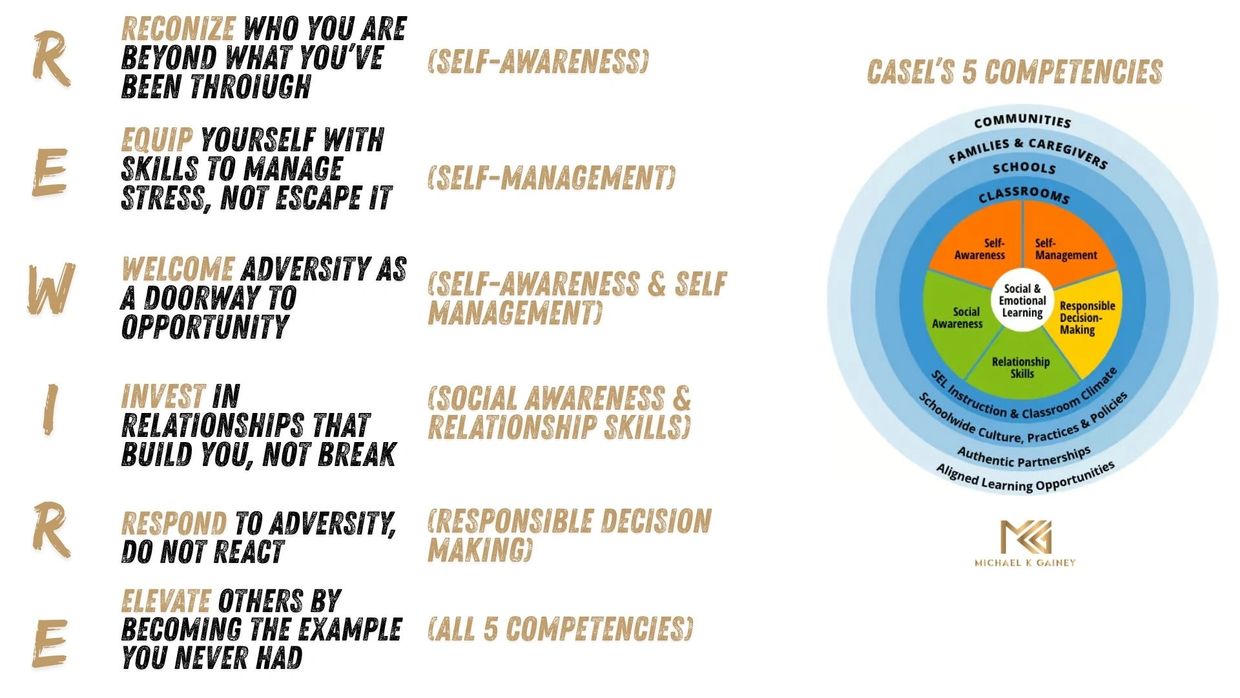
How the What If You Can Movement Is Rooted in The Resilience Rewire™
The What If You Can? movement is not a standalone message or a motivational idea. It is the lived expression of The Resilience Rewire™, a proven framework designed to help students navigate adversity, pressure, and self doubt with clarity and control. While the language of What If You Can is simple and accessible, the structure beneath it is intentional, strategic, and grounded in how resilience is actually built.
At its core, The Resilience Rewire™ teaches that resilience is not about toughness or ignoring struggle. It is about understanding what you are experiencing, changing how you interpret it, managing how it affects you, and anchoring your identity in something stronger than circumstances. The What If You Can movement brings this framework to life by guiding students through that exact process in a way that resonates with their age, experiences, and emotional reality.
Students first learn to recognize and name the internal storms they face such as fear, anxiety, failure, rejection, or labels they have accepted about themselves. This awareness disrupts autopilot thinking and helps students realize they are not broken, they are responding to pressure. From there, students are challenged to reframe the stories they tell themselves. Instead of defining themselves by setbacks or past mistakes, they are invited to consider a new question that creates possibility rather than limitation. What if you can grow. What if you can change. What if you can become more than what you have been told.
The movement then equips students with practical tools to regulate pressure and emotional responses in real time. They learn how unmanaged thoughts and emotions drive impulsive decisions, disengagement, and behavior issues, and how small shifts in response can change outcomes. This is where resilience becomes actionable rather than theoretical.
Finally, What If You Can anchors students in identity. Rather than chasing performance, comparison, or approval, students are challenged to see themselves as capable, responsible, and in progress. When identity is anchored internally instead of externally, students are more willing to engage, persist, and take ownership of their role within the school community.
Because the What If You Can movement is rooted in The Resilience Rewire™, it does more than inspire. It creates alignment between mindset, behavior, and school culture. Students do not just feel motivated in the moment. They leave with a framework they can return to when pressure shows up again. This is why the message sticks, why culture shifts, and why students begin to buy into their education and themselves at the same time.